
Youth Sports Performance Training in Glen Mills, PA: Common Questions from Parents
If you’ve read about our approach to sports performance training, you know we focus on building well-rounded athletes.
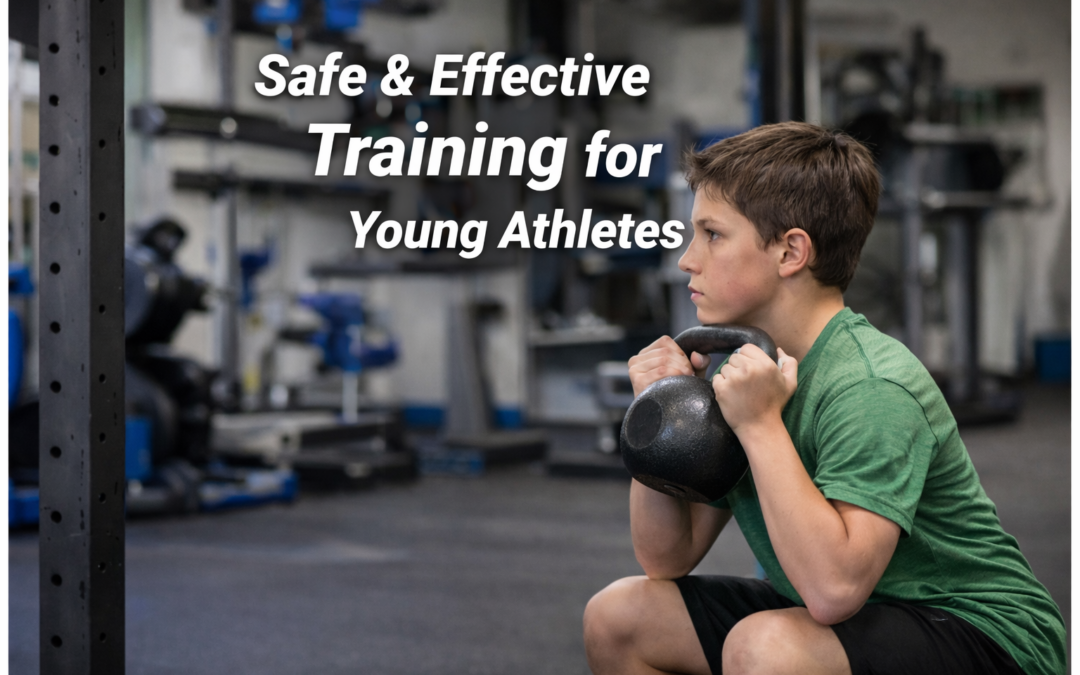
But many parents, have questions about sports performance training and strength training for their child:
Is this safe?
Is this right for my child?
How does this actually help them perform better?
Below, we answer some of the most common questions we hear from families looking for sports performance training in Glen Mills and Chadds Ford, PA.
1. Is sports performance training safe for young athletes?
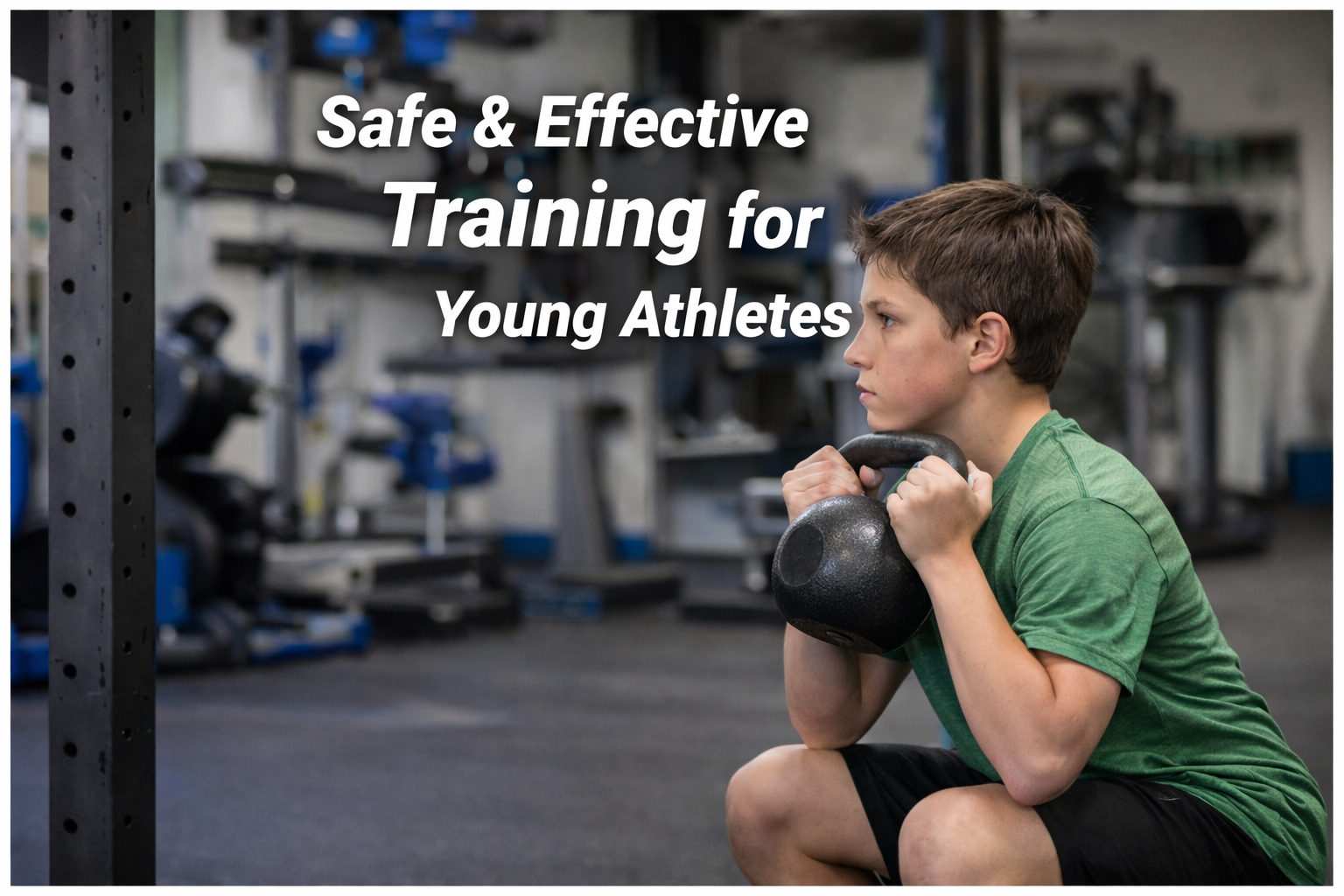
Yes, when done correctly. A properly designed youth sports performance program prioritizes:
- Movement quality
- Proper technique
- Age-appropriate progressions
At Align Fitness, every athlete begins with an evaluation so we can understand how they move before we challenge them. Our goal is not to push athletes to their limits. Instead it’s to build them up the right way, reducing injury risk while improving performance.
2. At what age should my child start sports performance training?
Athletes can begin structured training earlier than most people think—as long as the focus is on movement, coordination, and control.
For younger athletes, training looks like:
- Learning how to move efficiently
- Developing balance and coordination
- Building basic strength safely
As they mature, we progressively layer in:
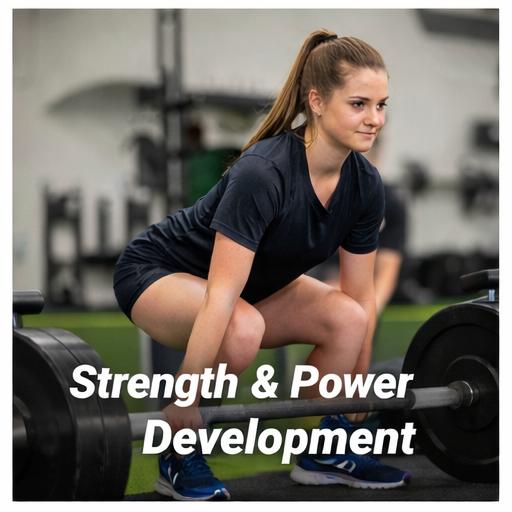
- Strength training
- Power development
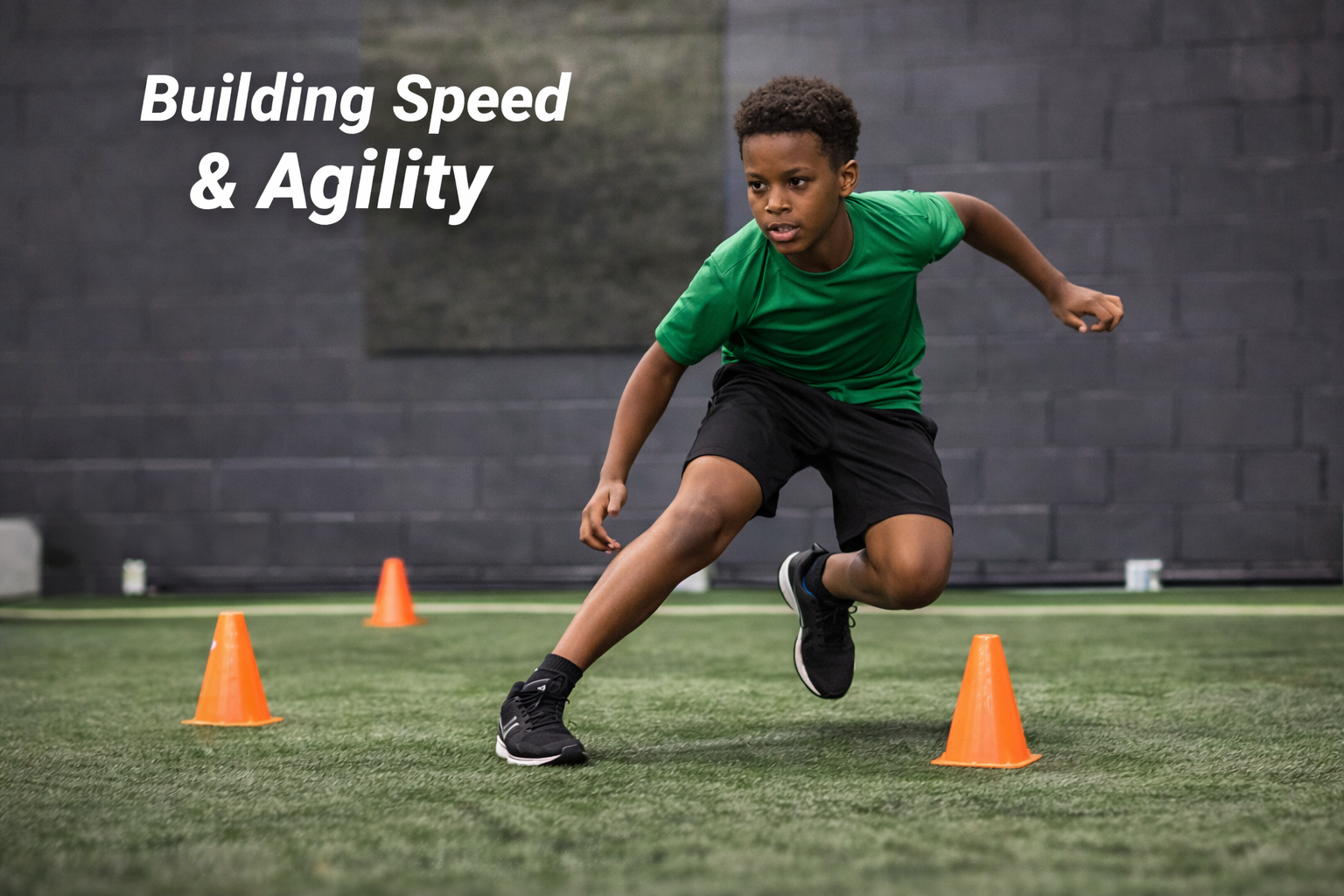
- Speed and agility work
The key isn’t age—it’s meeting the athlete where they are.
3. How is this different from team practices?
Team practices are designed to improve sport-specific skills and strategy.
Sports performance training focuses on:
- Strength
- Speed
- Power
- Movement efficiency
These qualities are often underdeveloped in traditional practices—but they are exactly what allow athletes to:
- Move faster
- Change direction more effectively
- Stay stronger throughout games and seasons
Think of it this way:
👉 Practice teaches the sport
👉 Training builds the athlete
4. Will this help prevent injuries?
While it is impossible to eliminate injuries the right program can significantly reduce risk. In general the better an athlete moves the less likely they will suffer an injury.
As we mentioned in our previous post on sports performance training in Chadds Ford, sports are unpredictable.
Athletes need to be prepared for:
- Awkward landings
- Sudden changes in direction
- External contact
Our athlete training programs in Glen Mills:
- Identifies and improves each athlete’s areas of weakness (specific strength, core stability, mobility, etc)
- Strength to absorb force
- Control to maintain positioning
- Coordination to react quickly
This combination helps athletes stay more durable over time.
5. How often should my child train?
For most athletes, 2–3 sessions per week is ideal. This allows enough consistency to:
- Build strength and power
- Improve movement patterns
- See measurable progress
Consistency matters more than intensity. A well-structured program over time will always outperform short bursts of more intense training.
6. Do you work with beginners or only advanced athletes?
Both. In fact, the athletes who benefit the most are often
- New to training
- Early in their athletic development
- Looking to build a strong foundation
Our process ensures that every athlete—regardless of experience—gets a program that fits their current ability level and progresses them just the right pace.
7. What results can we expect?
With consistent training, athletes typically see improvements in:
- Strength and power
- Speed and quickness
- Confidence and improvements in movement quality
- Overall athleticism
They develop skills that carry over long-term:
- Better body awareness
- Improved movement efficiency
- Greater resilience during competition
If you’d like to learn more or schedule a free consultation reach out using our contact form and we’ll get back to you ASAP!